ZED

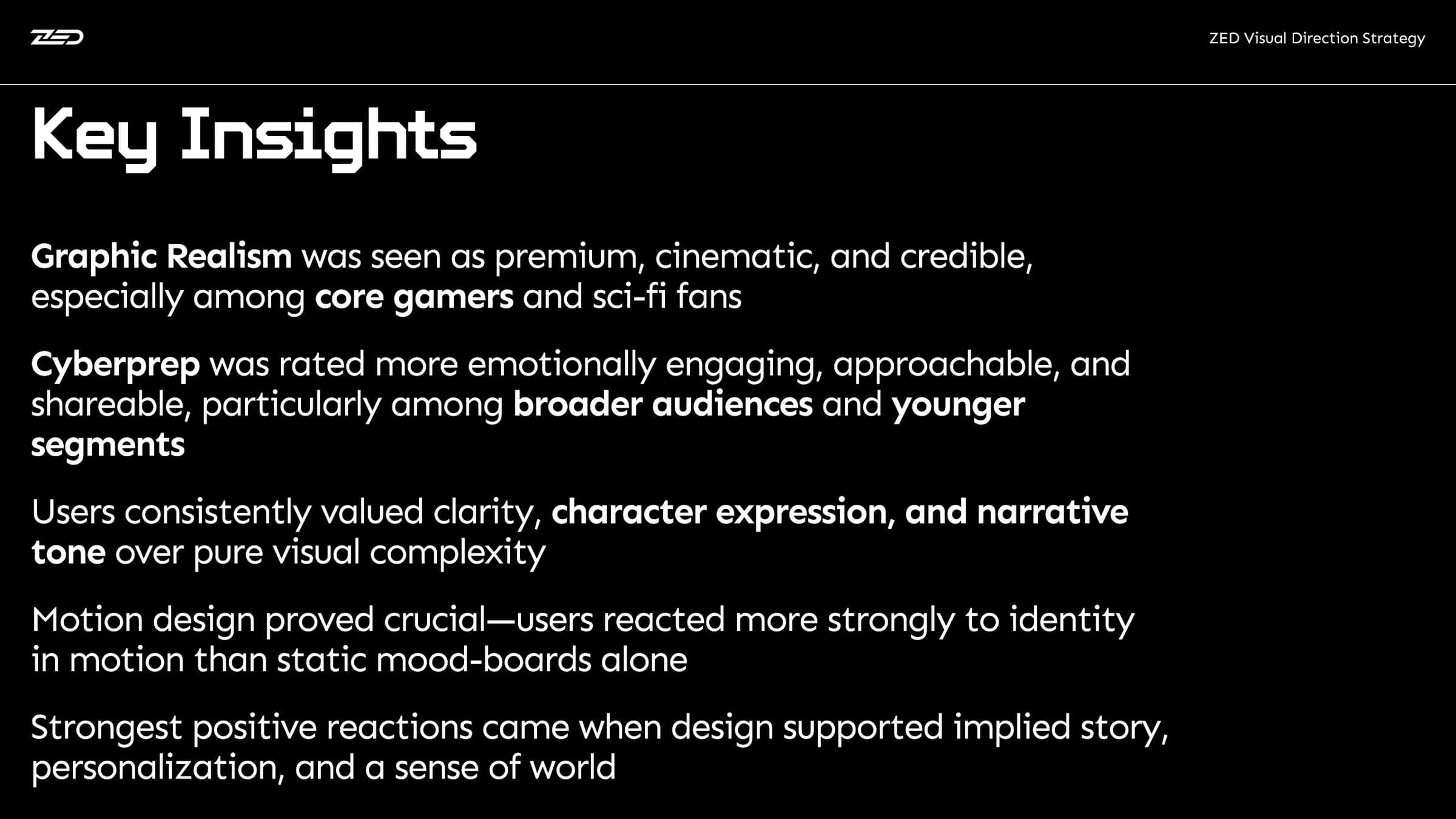
A five-week visual assignment for ZED had no clearly defined player, problem, or success condition. Rob stopped the aesthetic exercise, proposed player research, and built a direction that could be judged against evidence.

Year2025
RoleProduct Design Manager
TypeClient
/01

The brief had no driver

Leadership wanted a unified visual language across product and marketing. Early speculative work revealed the deeper problem: the team could not say which players it was designing for or what the work needed to change. A broad visual answer would have been impossible to judge.
/02

Stop and identify the player

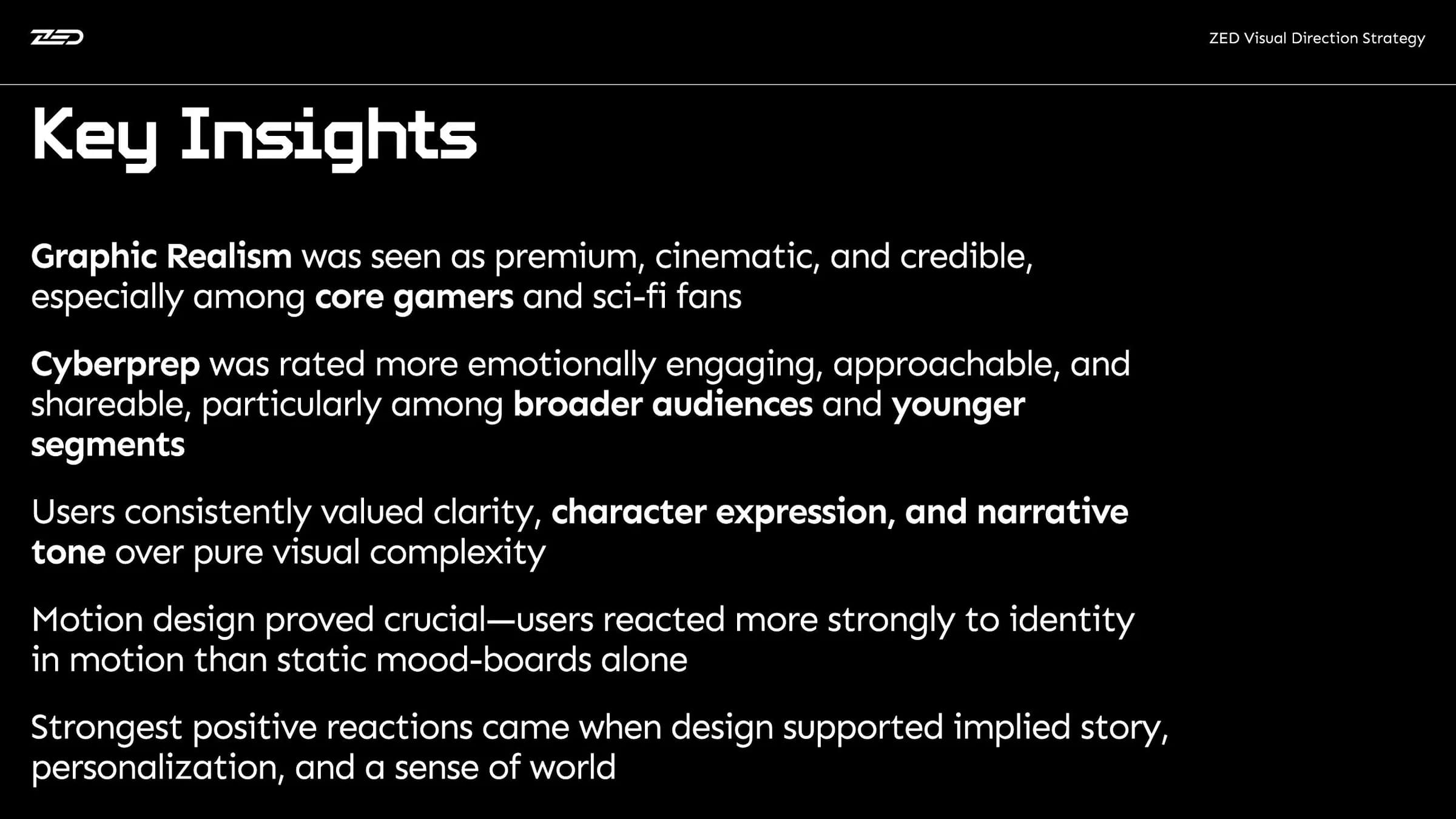
Rob called out the gap and proposed a research plan. With C-suite support, the team compared current player motivations with leadership's intended audience instead of selecting a look by taste.

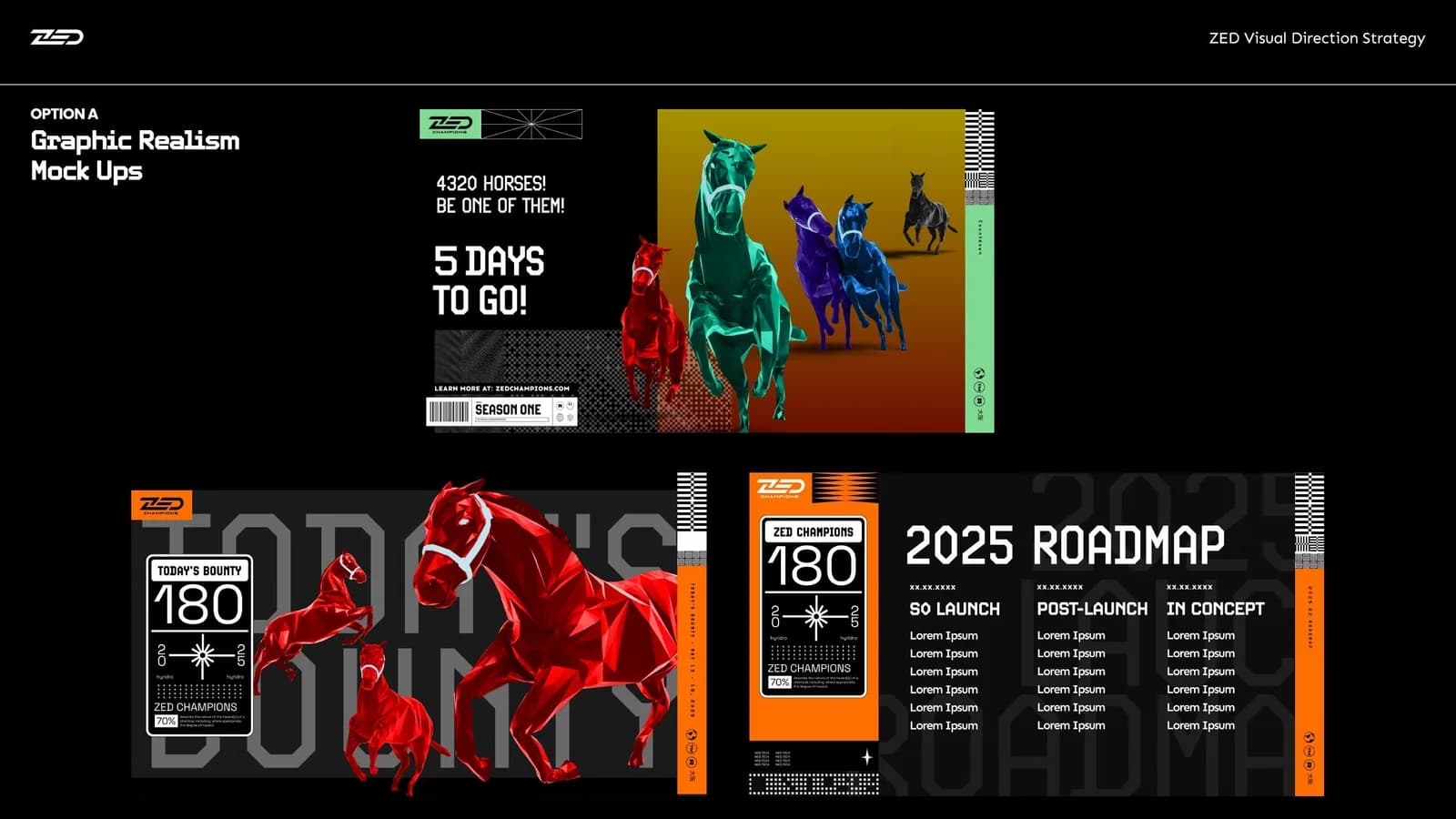
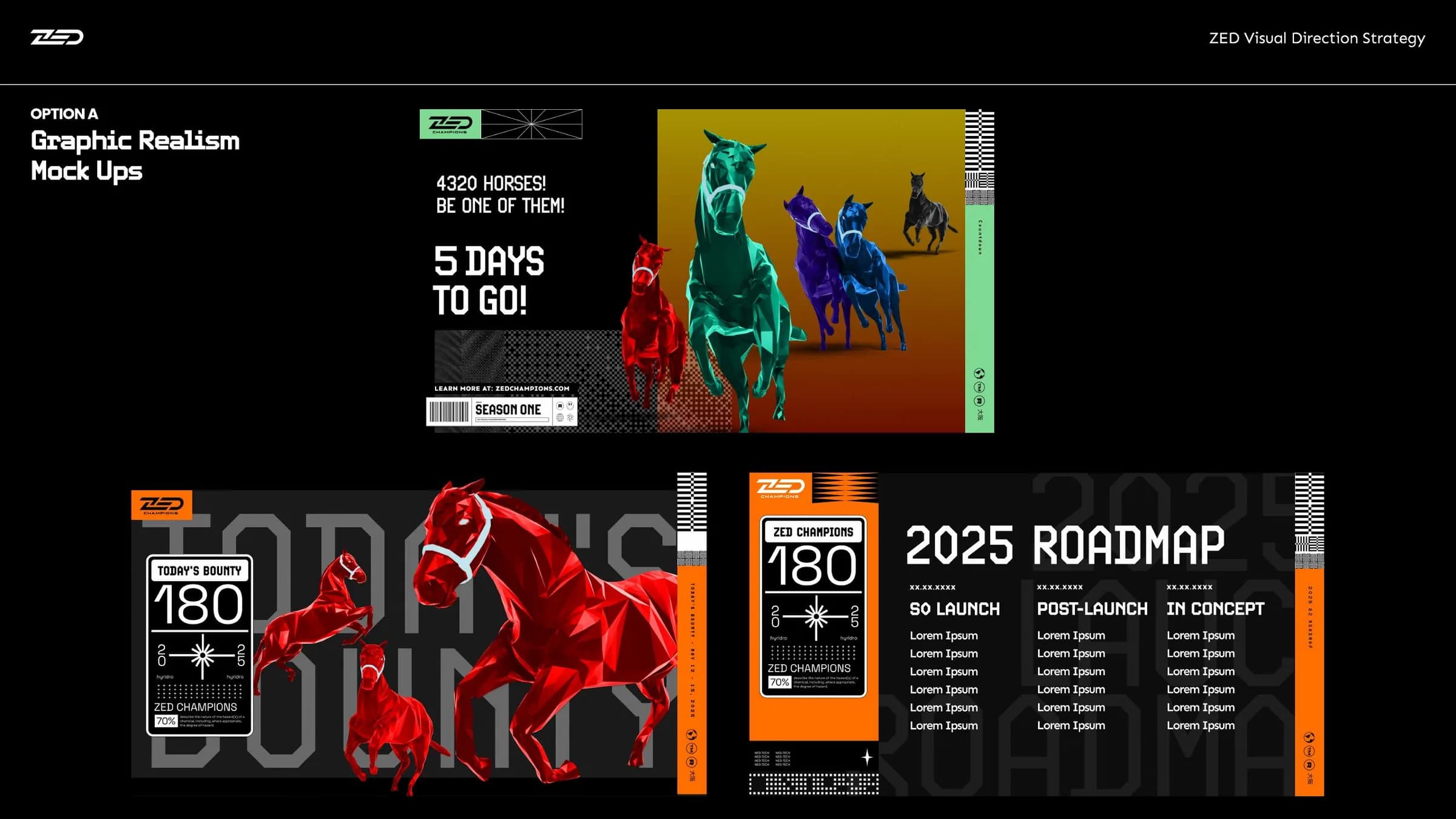
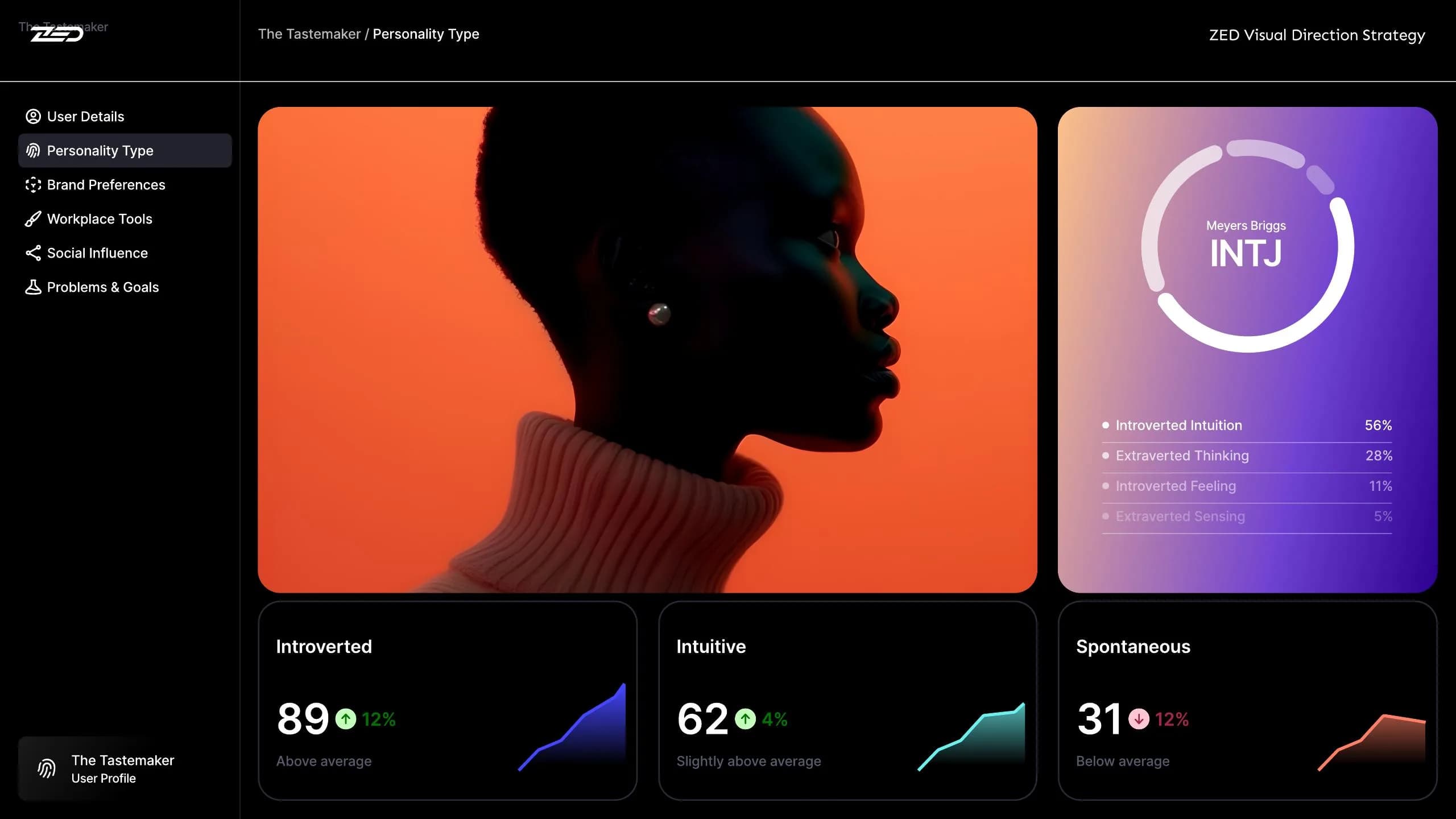
Graphic Realism direction in application context.
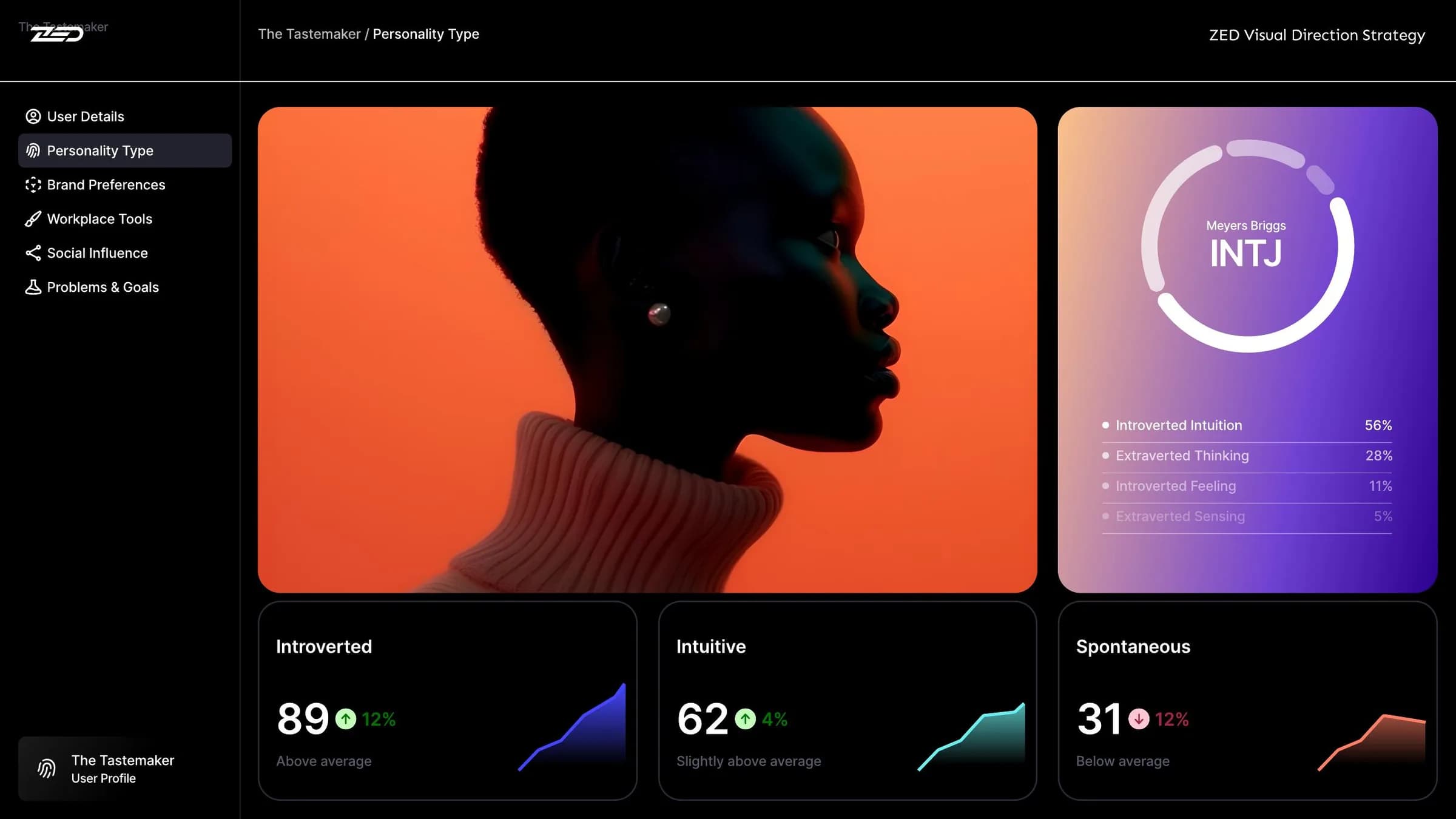
Cyber-Prep direction in application context.
/03

Test directions in context

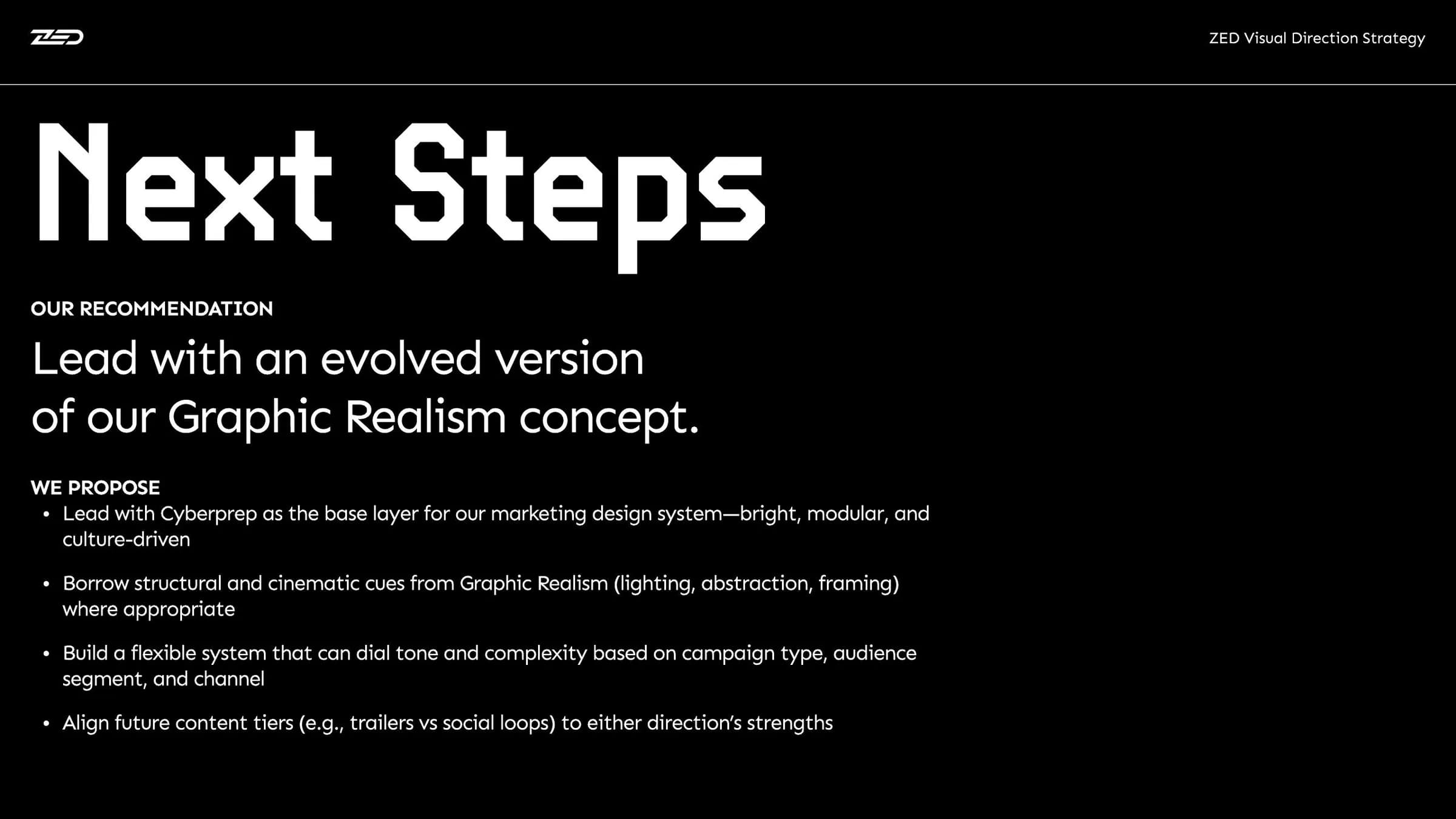
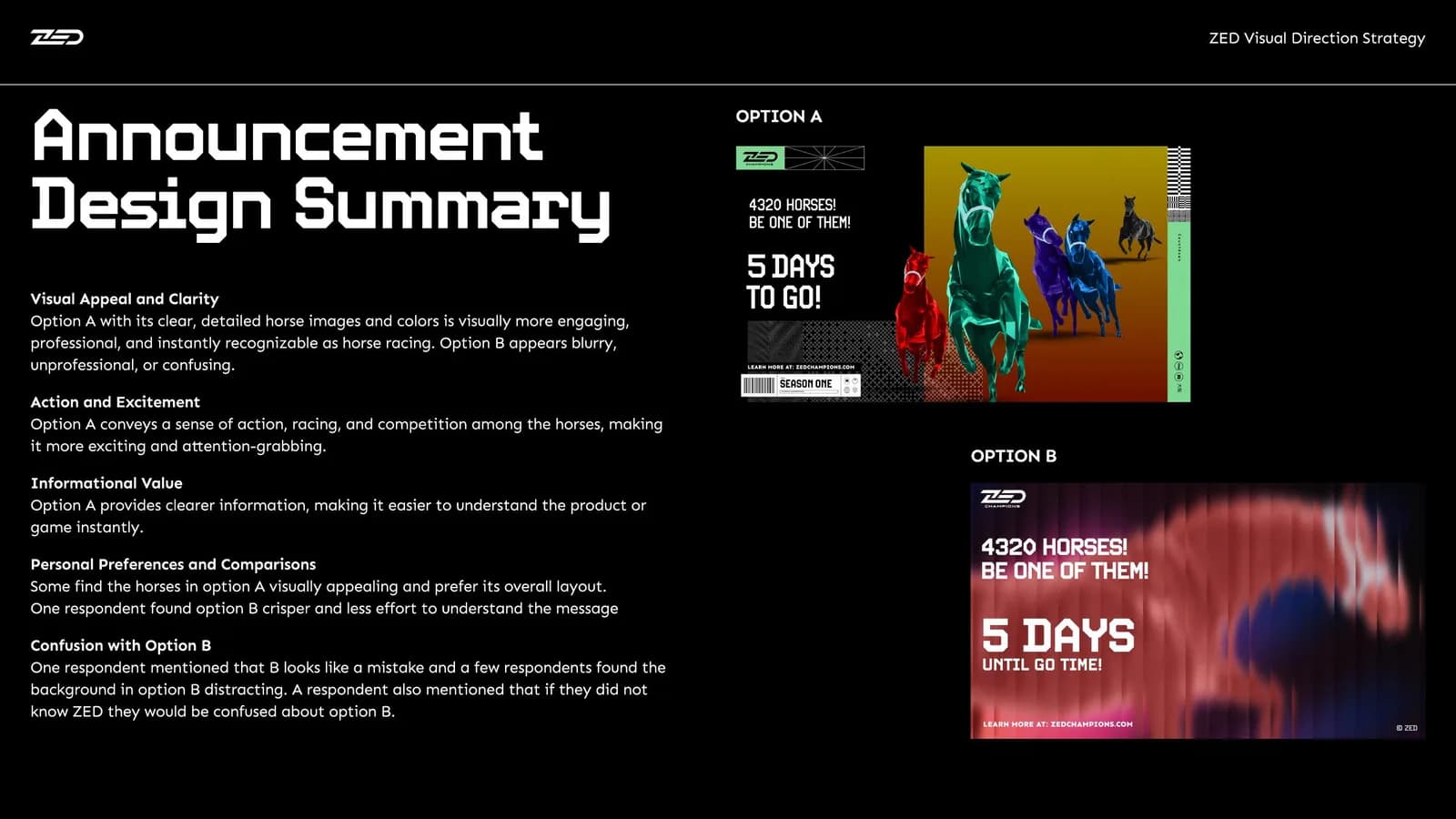
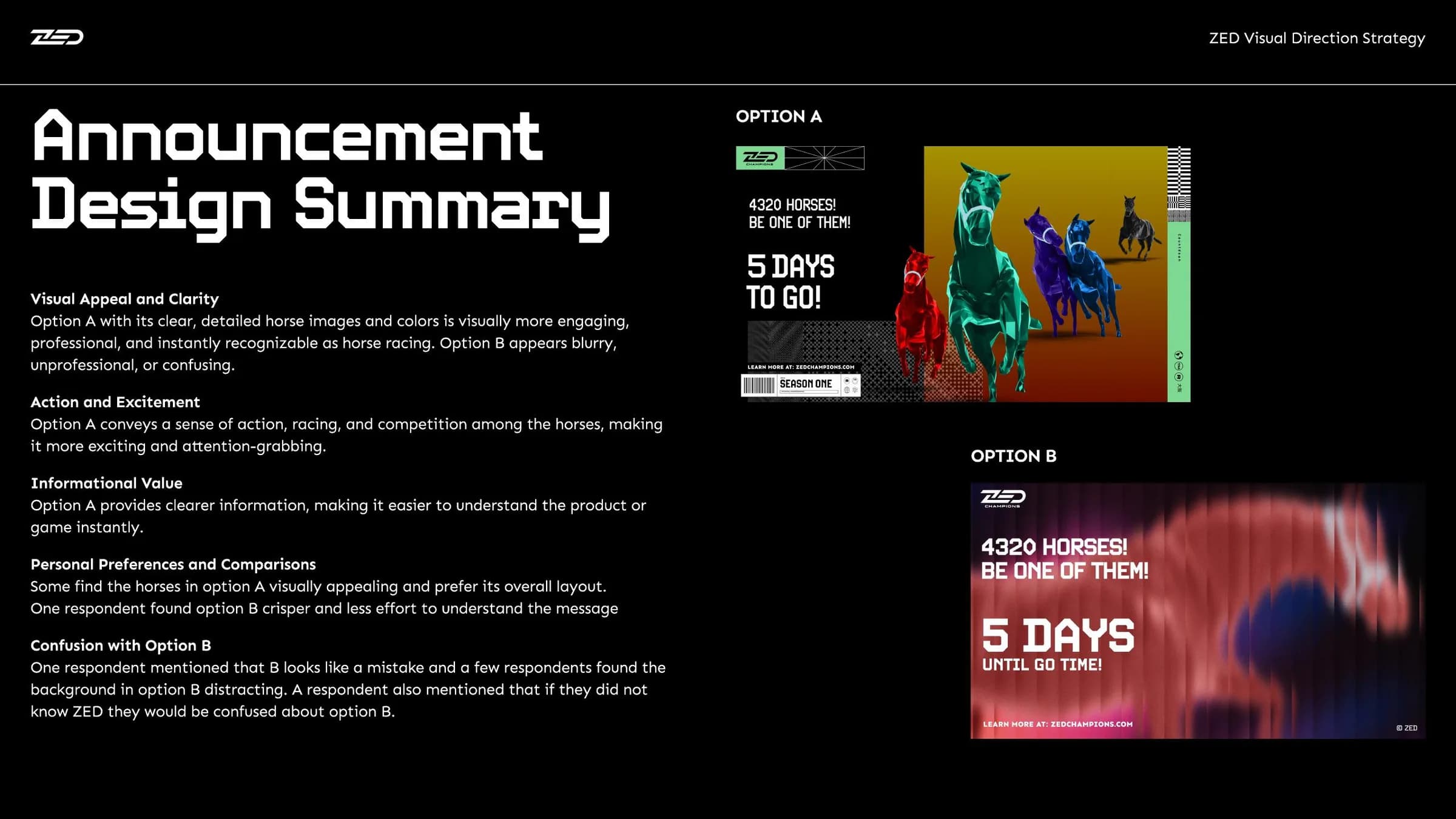
Graphic Realism and Cyber-Prep gave the team two concrete directions to test. Interviews, a blind preference survey, and applications such as announcement ads and roadmap layouts showed how each system behaved beyond a mood board.

/04

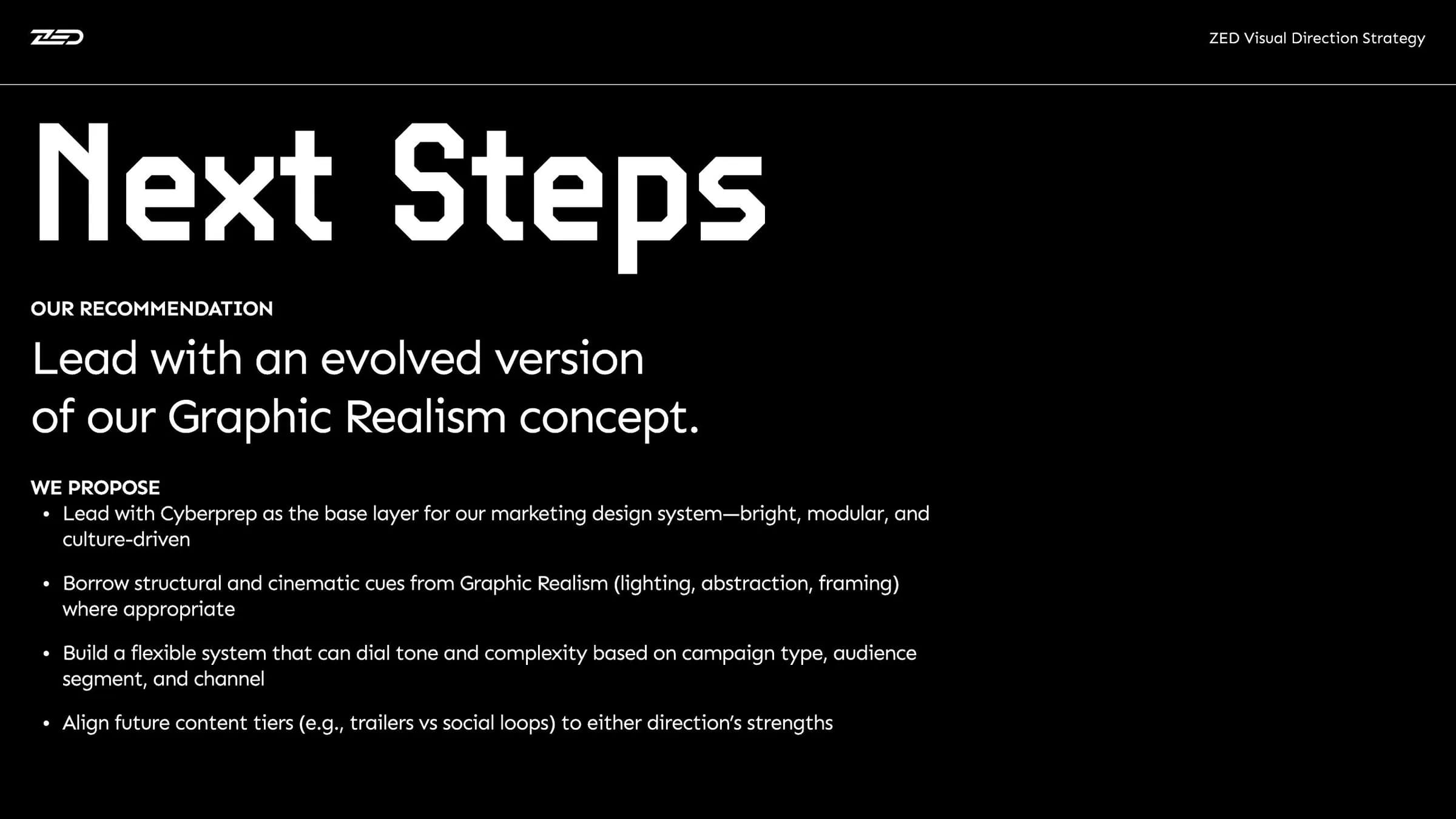
Recommend a system with range

The recommendation used Graphic Realism as a credible anchor and Cyber-Prep as a more flexible layer for social expression. The work ended with a focused product and marketing direction grounded in player evidence.

Related Work