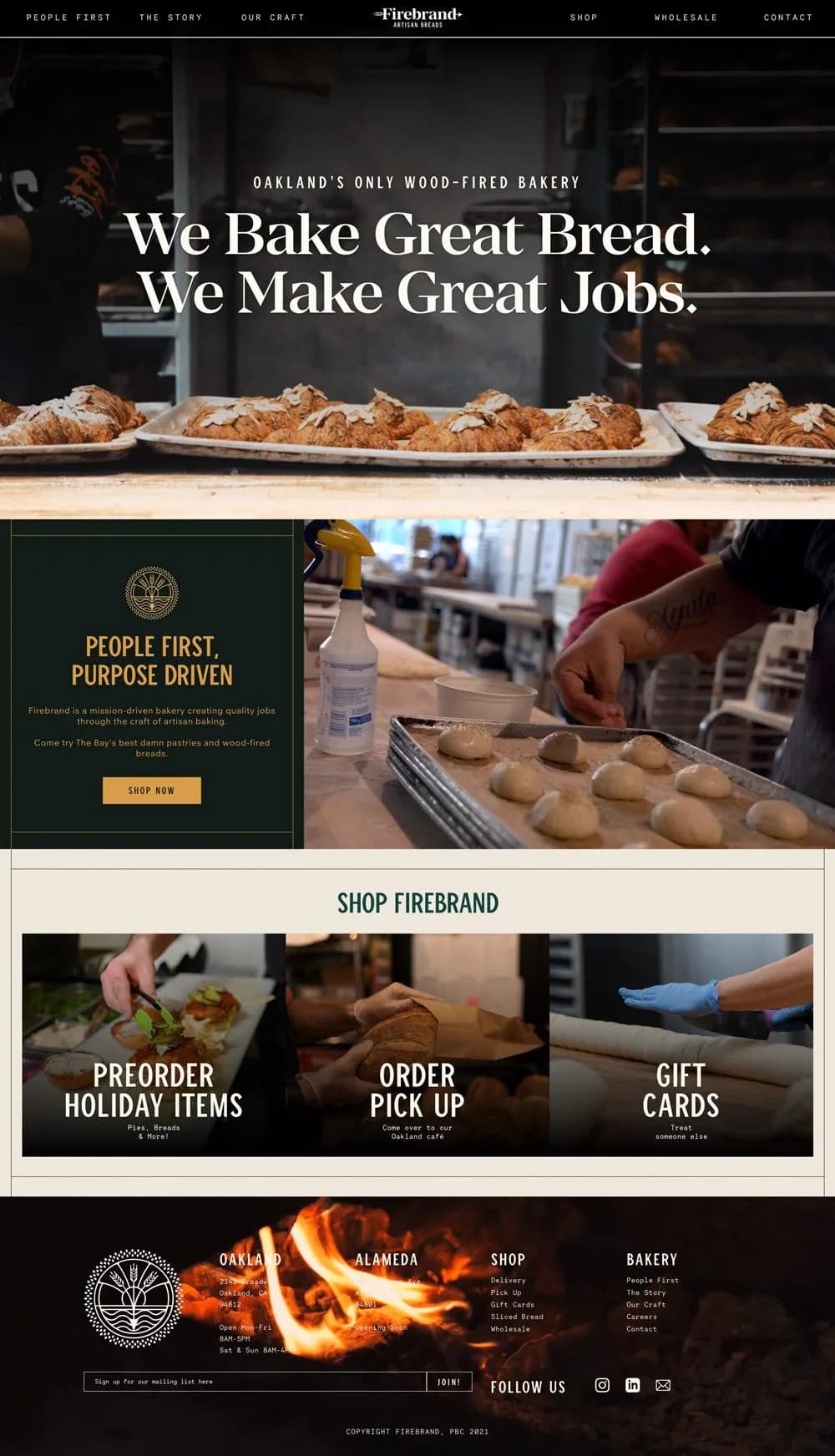
Firebrand
Firebrand’s product was exceptional. Its mission was exceptional. The brand communicated neither. As the company moved toward wholesale, retail, and investor conversations, it needed an identity that could survive a grocery aisle and a boardroom without reading as charity — or as a commodity bakery with a slogan taped on. The organization was outgrowing a local story. The experience it produced had not caught up.

Challenge
Firebrand’s product was exceptional. Its mission was exceptional. The brand communicated neither. As the company moved toward wholesale, retail, and investor conversations, it needed an identity that could survive a grocery aisle and a boardroom without reading as charity — or as a commodity bakery with a slogan taped on. The organization was outgrowing a local story. The experience it produced had not caught up.
Decision
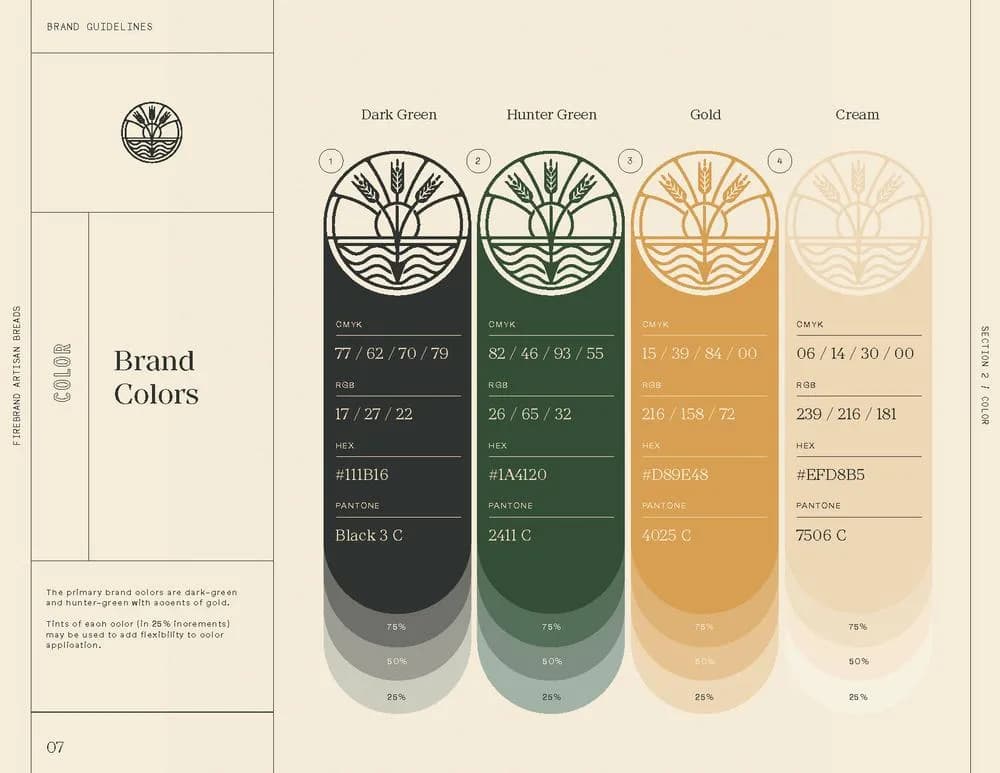
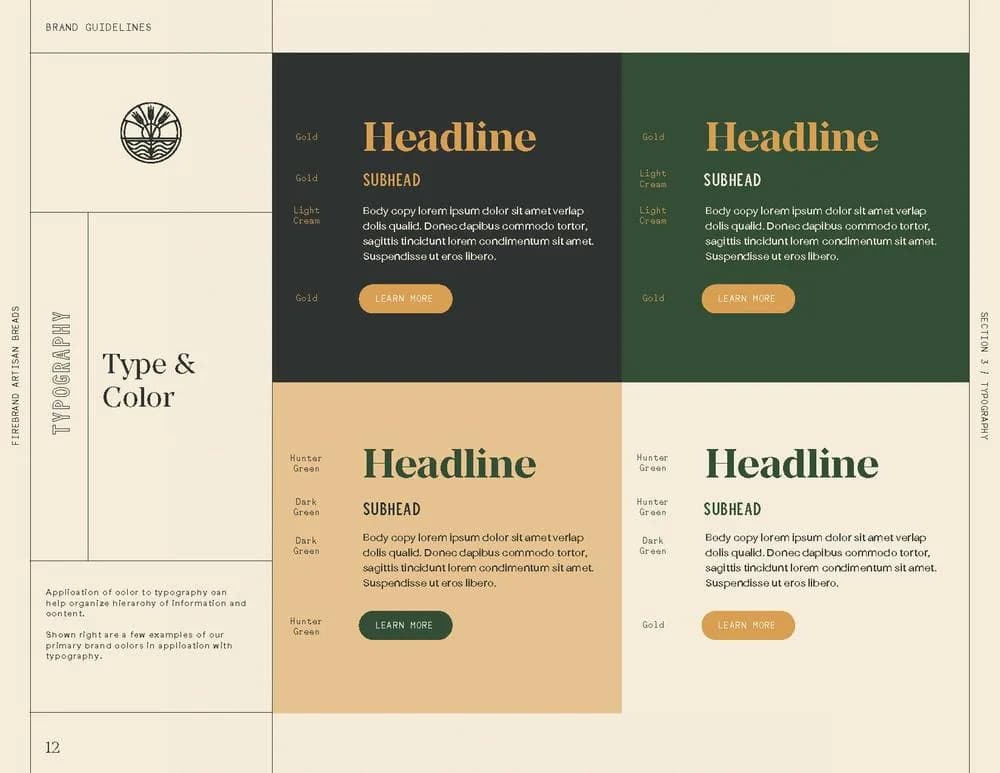
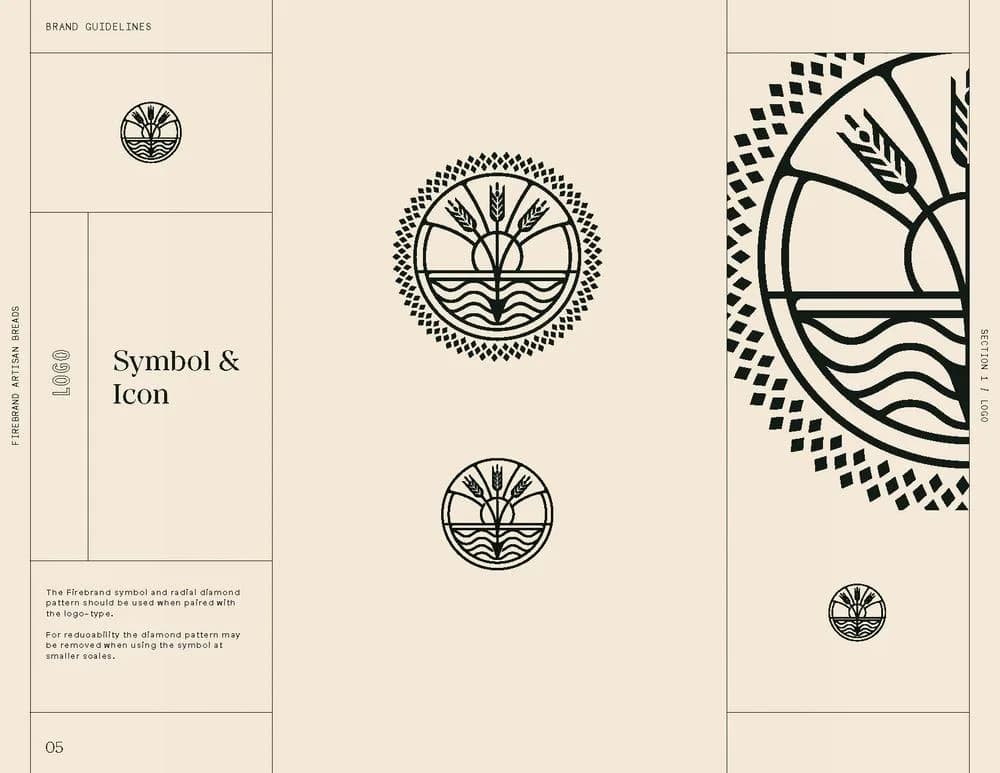
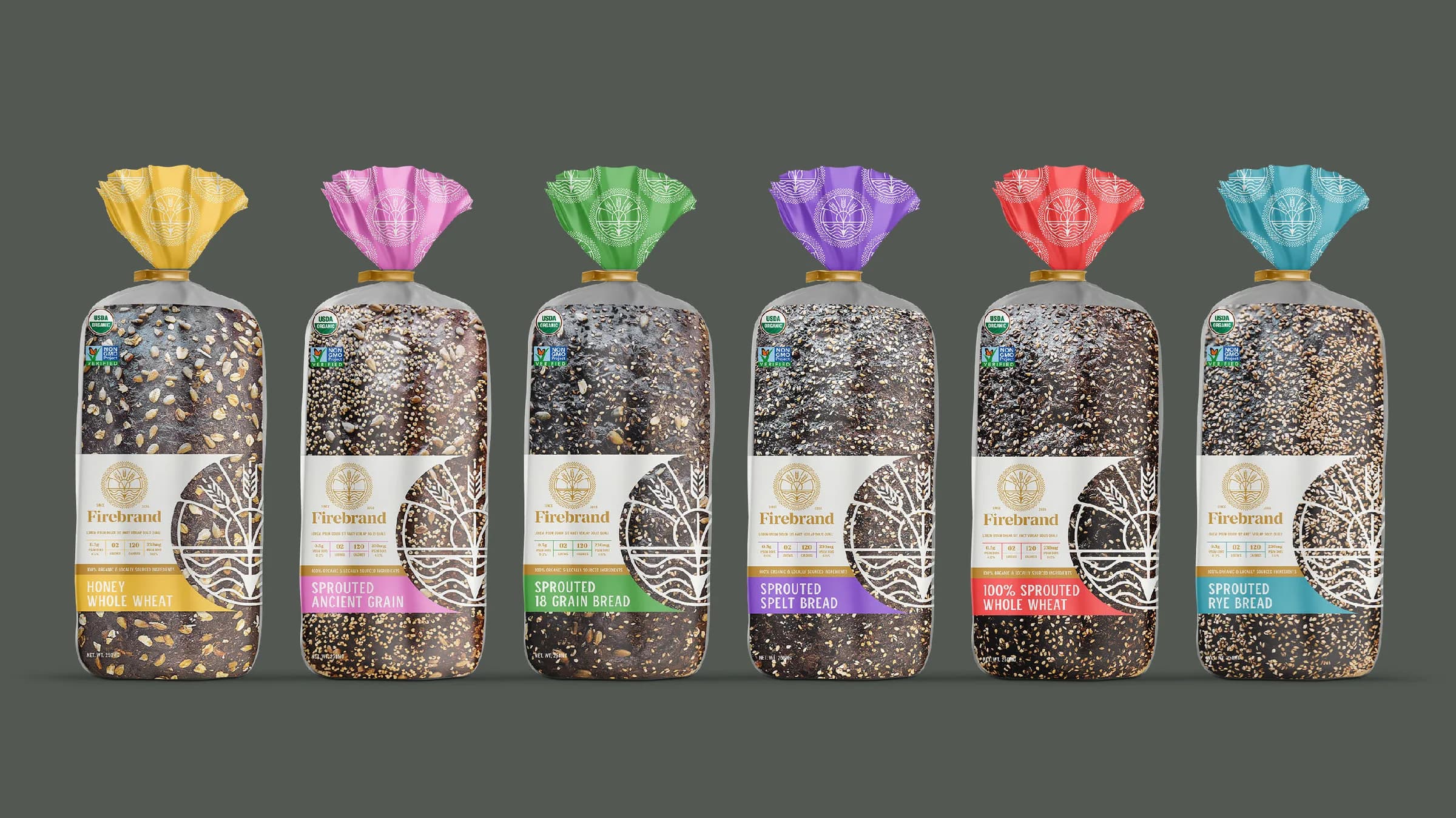
Position: bakery as engine for employment. Craft first. Mission structurally embedded — not appended as cause marketing. Rejected the charity aesthetic. Rejected the generic artisan bakery look. Built a system lean enough for packaging, signage, web, and campaigns to be run by a small client team without the brand collapsing into inconsistency.


What shipped
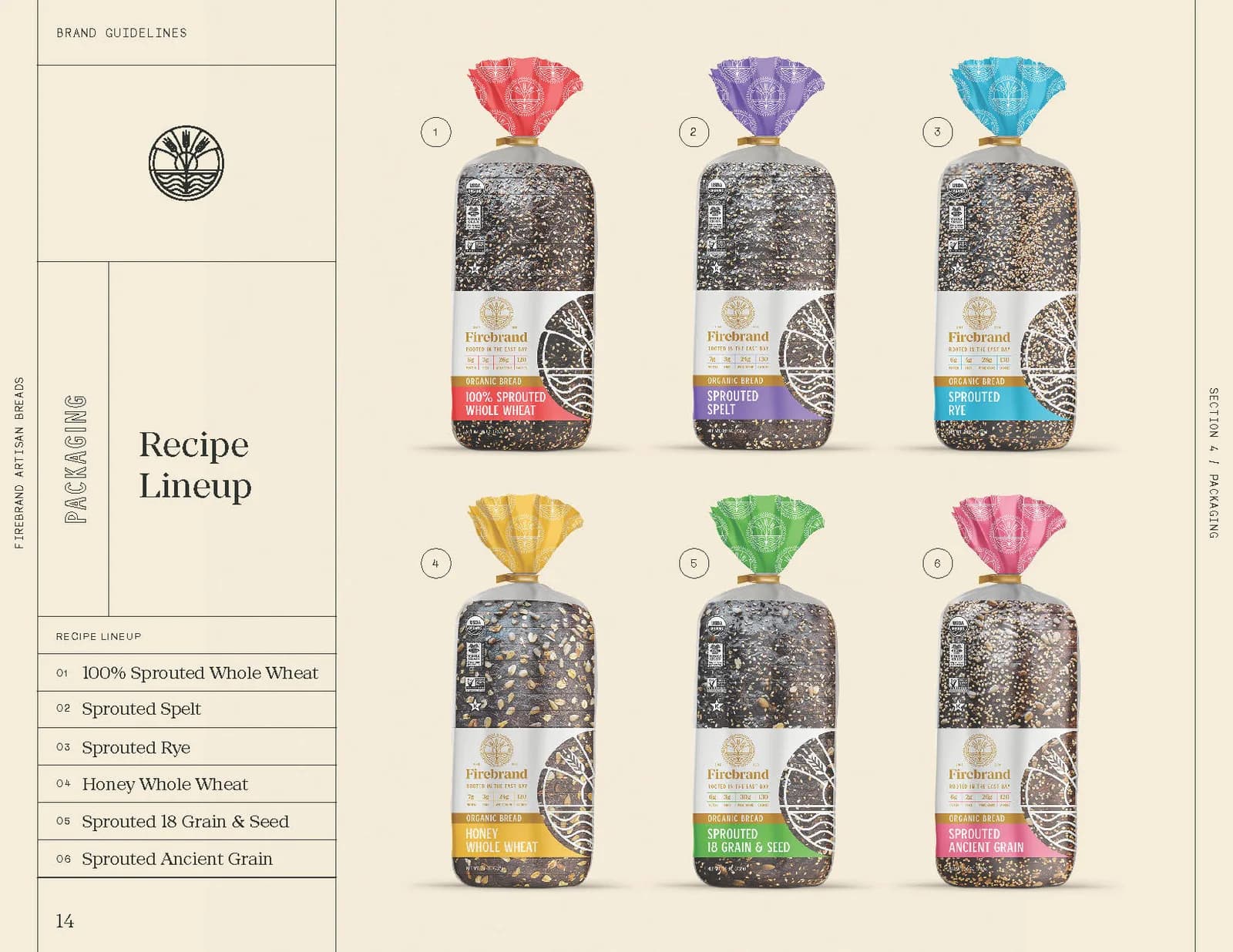
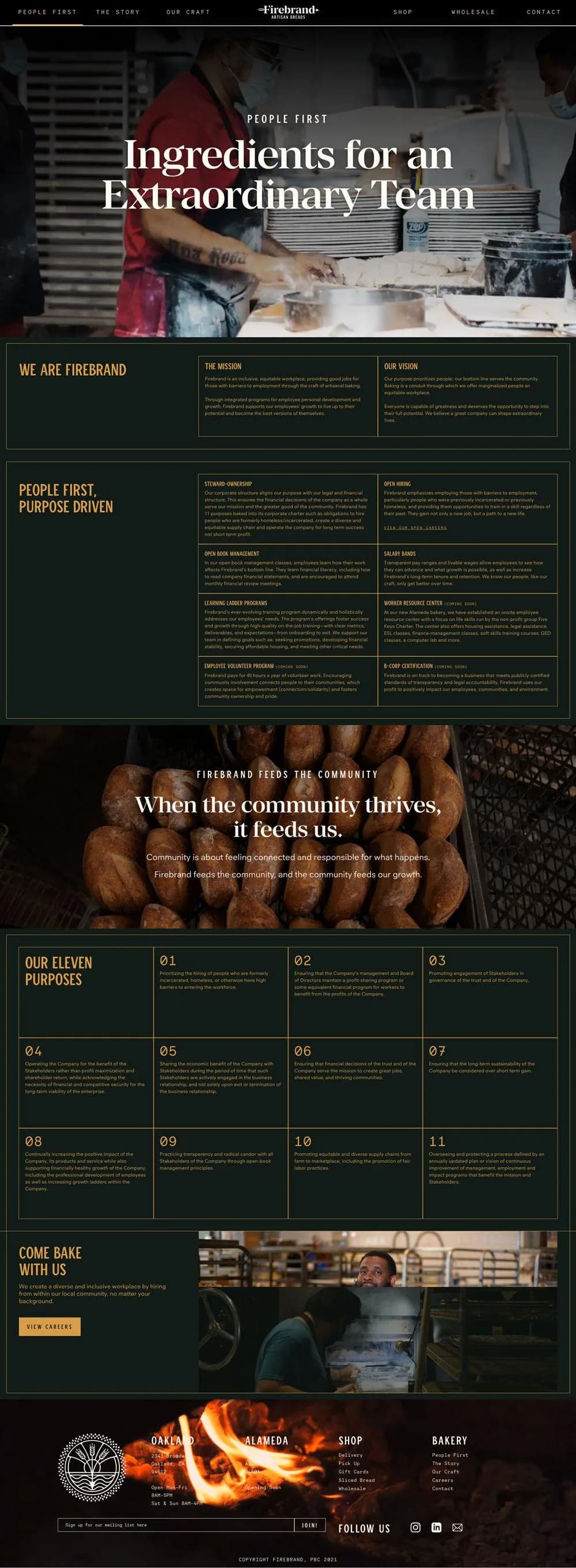
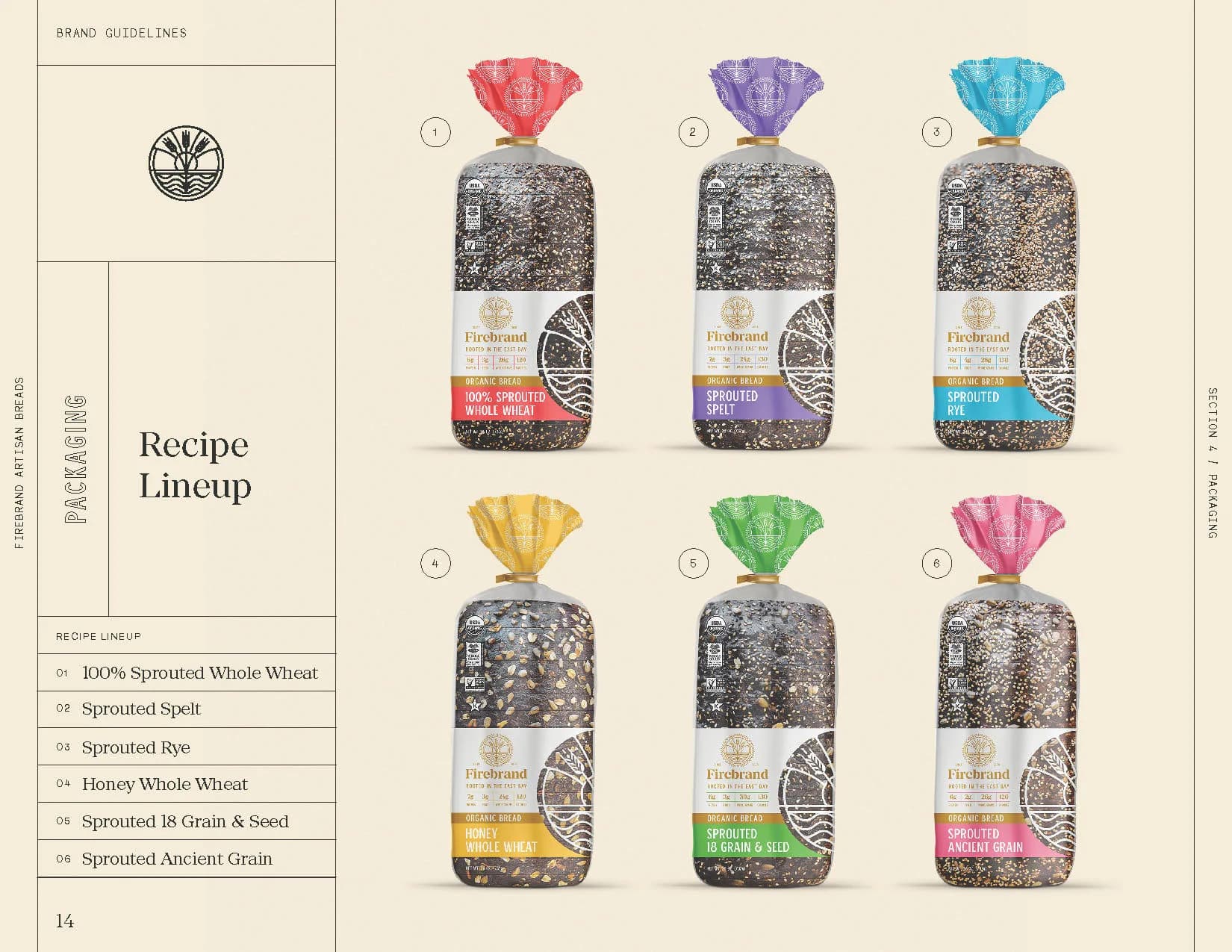
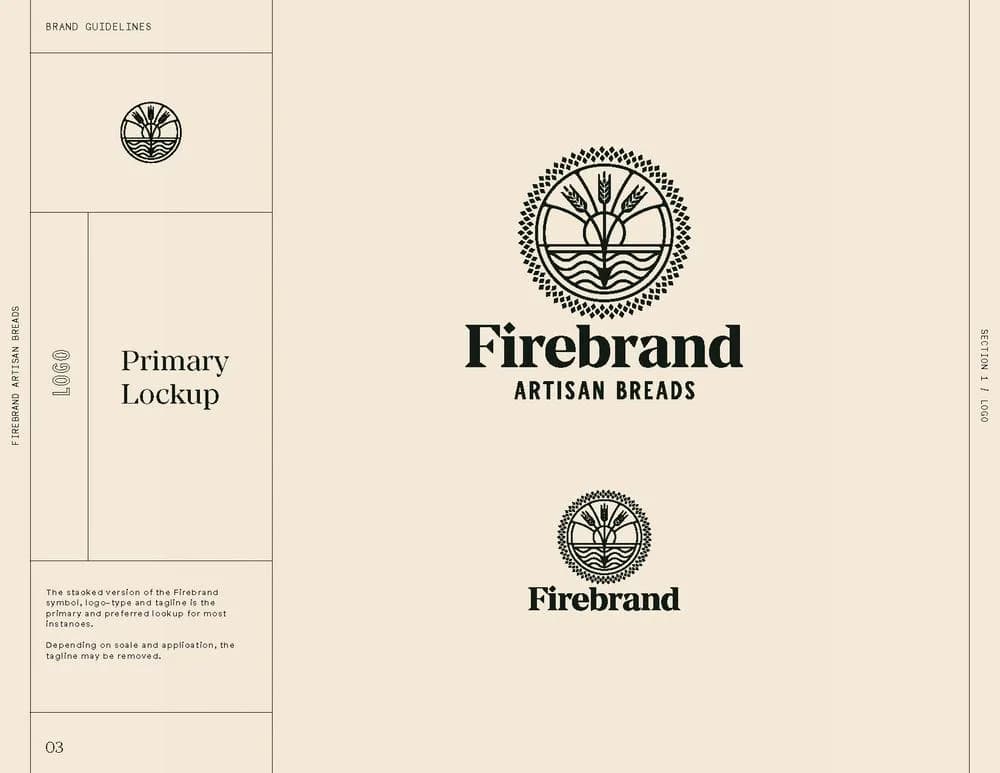
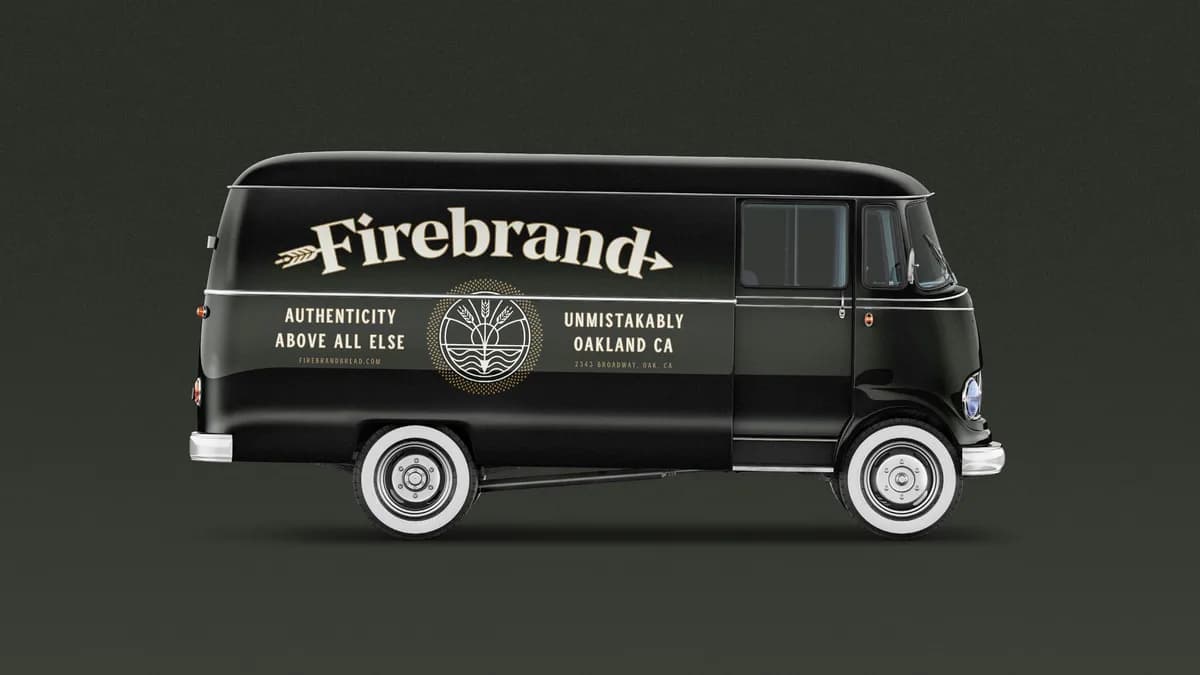
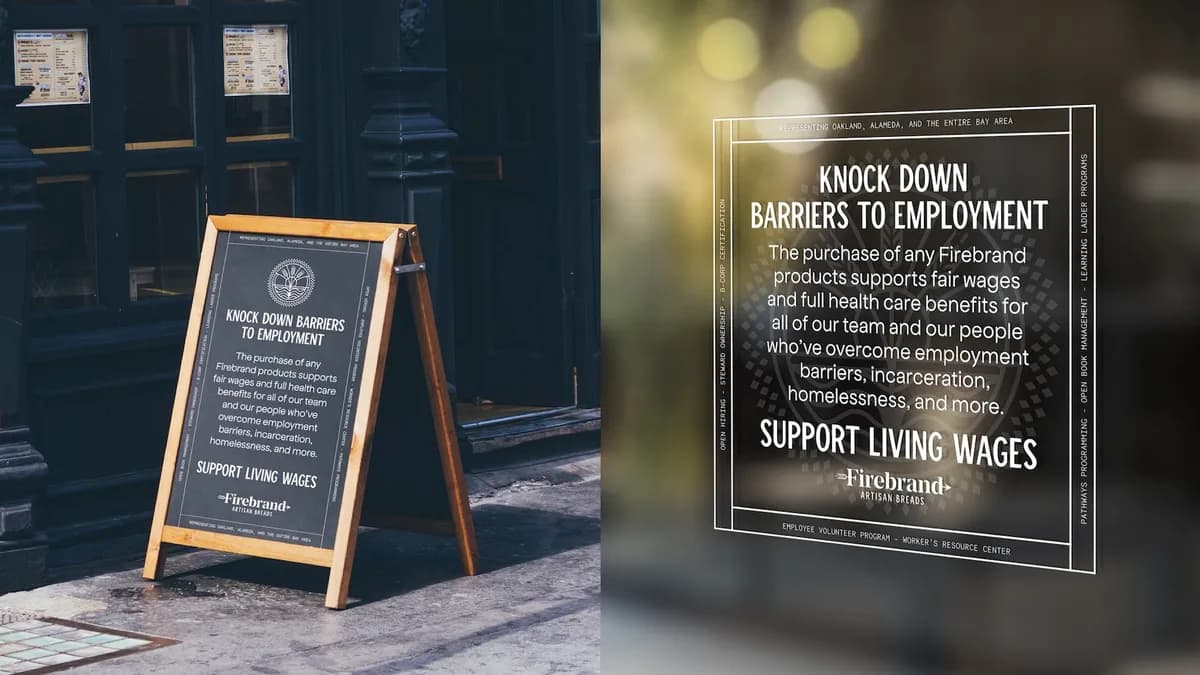
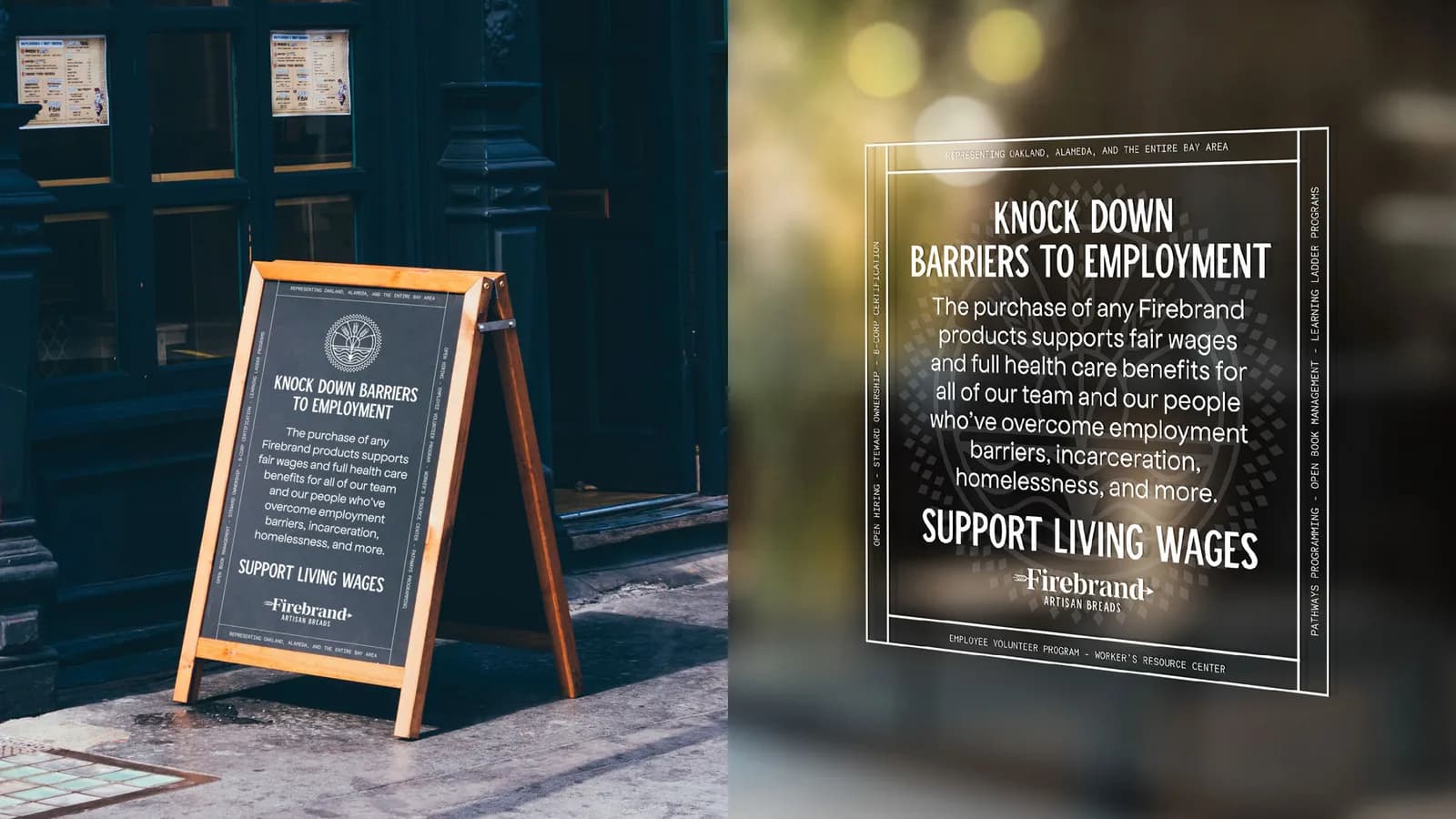
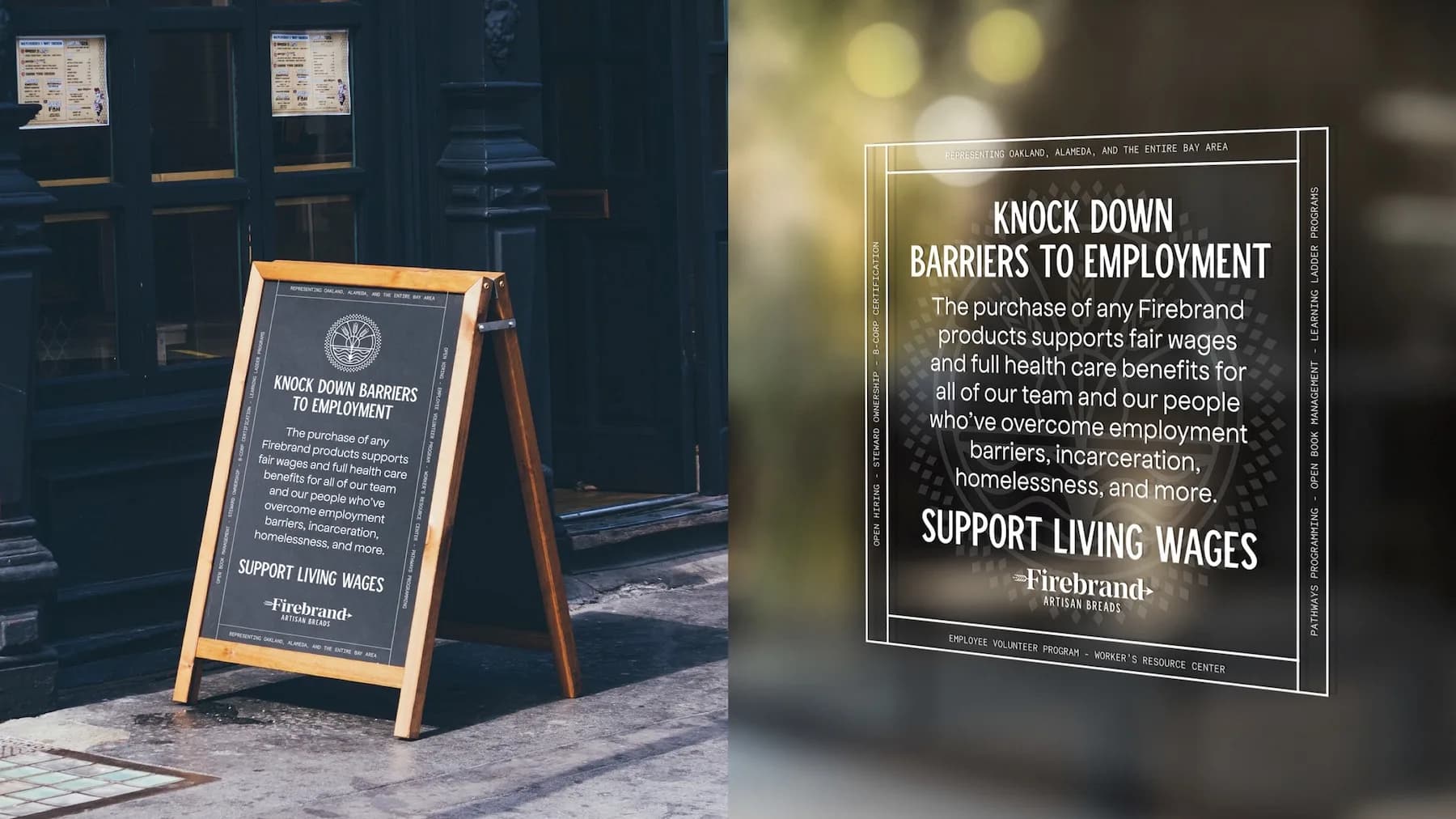
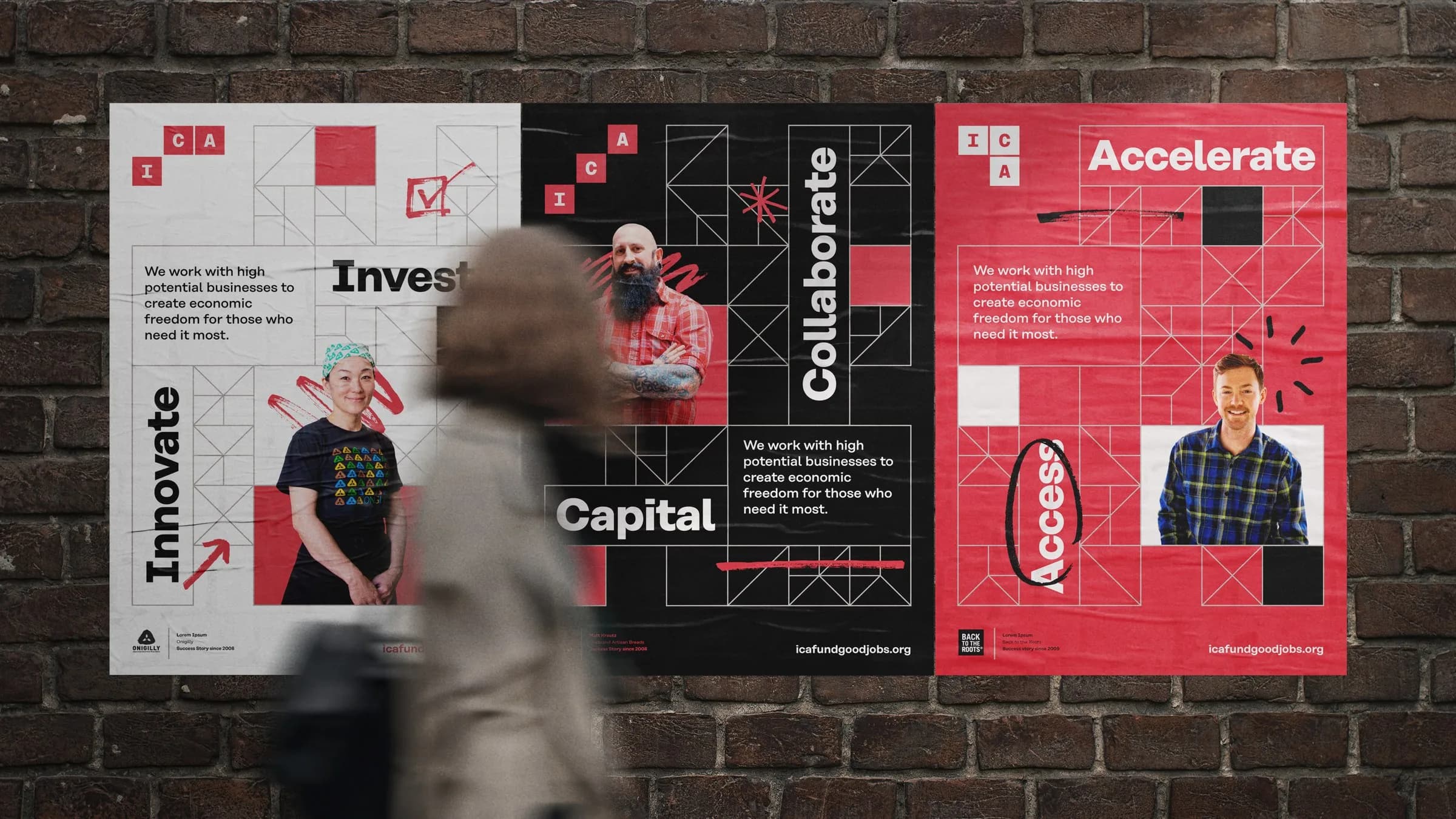
Positioning and narrative. Identity system. Guidelines. Business system. Site. Environmental work for retail and signage. Directed a six-person team across strategy, design, production, and copy while owning the client relationship directly.
What held
The identity system carried the brand through wholesale expansion, a second production facility, a flagship cafe, and national press. The company later moved to an employee ownership trust — the brand had to remain operable across those stages.
Reflection
The most durable brands are the ones where the business model is the story. Product and purpose were not two messages to balance. They were one decision to make visible.